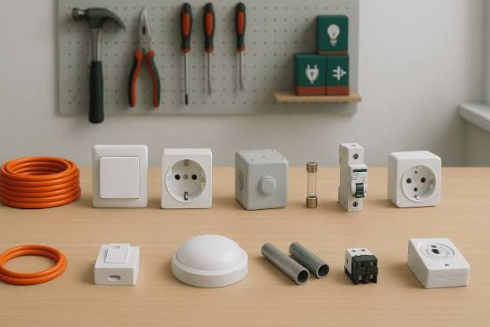
Choosing suitable electrical equipment is essential for maintaining a safe and reliable residential power supply. Every home depends on a properly designed distribution system to deliver electricity to lighting fixtures, kitchen appliances, heating equipment, and electronic devices. As electricity consumption increases, selecting appropriate equipment becomes increasingly important.
Understanding electrical capacity, protective components, installation requirements, and maintenance considerations can help homeowners make informed decisions about their property’s electrical infrastructure.
Why Choosing the Right Electrical Equipment Matters
Residential electrical systems contain several essential components that work together to distribute electricity throughout a property.
These components must be properly rated and compatible with the overall installation to ensure safe operation.
Selecting suitable electrical equipment offers several important benefits:
- Reliable electricity distribution throughout the home.
- Appropriate protection against excessive electrical current.
- Support for modern household appliances.
- Improved organization of individual circuits.
- Greater flexibility for future electrical improvements.
- Reduced risk of problems caused by incompatible components.
Professional evaluation is important when determining which equipment is appropriate for a particular property.
Understanding Different Electrical Capacity Requirements
Residential properties have different electricity requirements depending on their size, installed appliances, and overall electrical demand.
Existing Household Electricity Consumption
Lighting fixtures, kitchen appliances, air conditioners, heating systems, and other equipment contribute to total electricity consumption.
A qualified electrician can evaluate these loads to determine the required electrical capacity.
High-Powered Appliances
Certain appliances require substantial electrical power and may need dedicated circuits.
Electric ovens, water heaters, clothes dryers, and cooling equipment are common examples.
Additional Electrical Circuits
Home renovations and new appliances may require additional circuits.
The existing installation should be evaluated to determine whether sufficient capacity and suitable circuit arrangements are available.
Future Electricity Requirements
Homeowners planning to install electric vehicle chargers, workshop equipment, or additional heating systems should consider these requirements before selecting new electrical infrastructure.
Common Signs That Existing Equipment May Be Unsuitable
Electrical systems may develop problems when components become damaged, outdated, or unsuitable for current electricity requirements.
Frequently Tripping Circuit Breakers
Circuit breakers may trip when electrical current exceeds the designed capacity of an individual circuit.
Repeated interruptions can also indicate defective appliances, damaged wiring, or other electrical faults.
Overheating Electrical Components
Excessive heat may result from loose connections, overloaded circuits, or defective equipment.
Burning odors, discoloration, and damaged insulation require urgent professional attention.
Limited Circuit Availability
Some older installations may have insufficient space for additional electrical circuits.
Professional evaluation can help determine whether modifications or replacement equipment are necessary.
Visible Corrosion or Damage
Water intrusion can damage electrical components and affect their reliability.
Visible rust, moisture stains, or physical deterioration should be investigated by a qualified electrician.
When Should Homeowners Consider Replacing Existing Equipment?
Not every electrical issue requires complete system replacement. Some problems can be resolved through professional repairs, suitable circuit modifications, or individual component replacement.
However, an electrical panel replacement may become necessary when existing distribution equipment is significantly deteriorated, contains incompatible components, or cannot safely accommodate the property’s calculated electrical requirements.
A licensed electrician can assess the installation, determine the appropriate equipment rating, and recommend suitable improvements.
Important Factors to Consider When Selecting Electrical Equipment
Choosing replacement equipment requires careful consideration of several technical factors.
Electrical Capacity
The selected equipment must be appropriately rated for the property’s electrical requirements.
Professional load calculations help determine the necessary capacity.
Component Compatibility
Circuit breakers and other internal components must be compatible with the equipment manufacturer’s specifications.
Using incompatible components can compromise electrical safety.
Equipment Quality
Electrical distribution equipment should meet applicable product standards and installation requirements.
Homeowners should prioritize properly certified equipment from reputable manufacturers.
Available Circuit Space
The number of circuits required for existing and planned appliances should be considered during equipment selection.
However, available breaker positions do not automatically indicate sufficient electrical capacity.
Installation Requirements
Electrical modifications may require permits, inspections, and compliance with applicable local electrical codes.
Qualified professionals can help ensure these requirements are properly addressed.
How Professional Electricians Help With Equipment Selection
Licensed electricians provide important technical guidance when evaluating residential electrical installations.
Inspecting Existing Infrastructure
Professional assessments help identify damaged components, deteriorating wiring, and other potential safety concerns.
Evaluating Electrical Loads
Load calculations determine whether existing electrical capacity is suitable for household requirements.
Recommending Compatible Equipment
Electricians can identify appropriate components based on manufacturer specifications and the property’s electrical needs.
Planning Future Improvements
Professional guidance can help homeowners prepare for additional appliances, renovations, and changing electricity requirements.
Ensuring Proper Installation
Qualified electricians complete electrical work using appropriate safety procedures and applicable installation standards.
Essential Maintenance Practices for Long-Term Reliability
Proper maintenance helps preserve electrical equipment and reduce the likelihood of unexpected problems.
Keep Electrical Equipment Accessible
Avoid placing furniture, storage boxes, or other household items directly in front of distribution equipment.
Maintaining adequate clearance allows professionals to perform inspections and repairs safely.
Protect Equipment From Moisture
Water exposure can damage electrical components and contribute to corrosion.
Any evidence of moisture intrusion should receive professional attention.
Avoid Overloading Electrical Circuits
High-powered appliances should be connected to appropriately rated circuits according to their electrical requirements.
Maintain Clear Circuit Labels
Accurate circuit identification makes professional maintenance and troubleshooting more convenient.
Schedule Professional Inspections
Periodic assessments can help identify developing problems before they become serious electrical hazards.
Why DIY Electrical Installation Should Be Avoided
Electrical distribution equipment contains potentially dangerous components that may remain energized even after the main breaker is switched off.
Attempting internal repairs, equipment modifications, or component replacement without appropriate qualifications can expose homeowners to electric shock, burns, and other serious hazards.
Licensed electricians have the technical expertise and specialized equipment required to perform electrical work safely.
Professional installation also helps ensure that selected components meet applicable electrical codes and manufacturer requirements.
Long-Term Benefits of Choosing Suitable Electrical Infrastructure
Selecting appropriate electrical equipment can provide significant advantages for homeowners.
Properly rated distribution components support reliable electricity delivery and help protect household wiring against excessive current.
Suitable circuit arrangements also make it easier to accommodate future renovations and additional appliances.
Regular professional maintenance further contributes to dependable operation by identifying potential problems before significant damage occurs.
Conclusion
Choosing the right electrical equipment is an important part of maintaining a safe and dependable residential electrical system.
Understanding electricity requirements, evaluating existing components, and considering future household needs can help homeowners make informed decisions about necessary improvements.
With professional assessment, suitable equipment selection, and proper installation, residential properties can maintain reliable electrical performance while supporting modern household electricity demands.